Parent activity guide
Fine Motor Drawing Activities for Children
Best Drawing Books · Published October 8, 2026 · 2 min read
Fine motor drawing activities involve the small movements children use to make marks with their hands and fingers. Step-by-step cartoons offer a playful context for those movements: a curve becomes part of an animal, and a short line becomes a detail. Parents can make the activity inviting without turning the finished picture into a test of development.
Notice the variety of movements
Drawing a character can include longer curves, short strokes, repeated marks, and controlled stops. A child might reposition the paper or lift the pencil between lines. Each action offers a chance to practice handling the drawing tool. A cartoon lesson does not have to contain intricate details to be worthwhile; a large, simple picture can provide plenty of movement with less frustration.
Let comfort guide the materials
Offer a pencil, crayon, or another familiar tool that the child can use comfortably. Place the paper on a firm surface and leave enough space for their arms. Avoid repeatedly adjusting their fingers while they work. If they need help with a particular grip or experience persistent discomfort, individualized guidance is more useful than trying to solve it through additional drawing pages.
Build variety into a short session
Start by letting the child make a few large curves on spare paper. Move to one animal lesson, and leave coloring optional. Finish by asking which part felt easiest to draw. This sequence gives the session a beginning and an end without demanding a page full of drills. Drawing can sit alongside other hands-on play such as building, using child-appropriate craft materials, and manipulating play dough.
Choose a subject worth picking up a pencil for
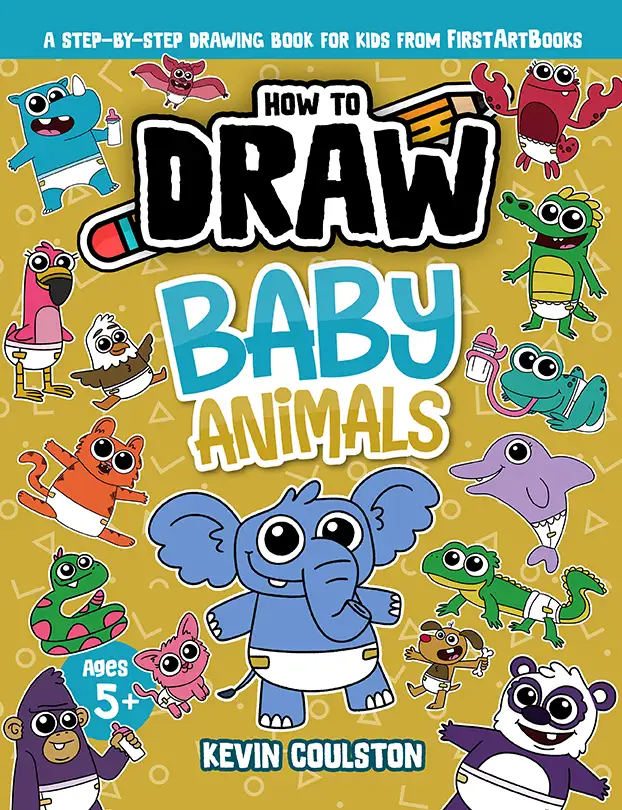
How to Draw: Baby Animals is a natural fit for children drawn to cute animal characters. Its six illustrated stages and dedicated drawing space organize the activity into smaller tasks. The ages 5+ guidance is a starting point; interest and comfort still matter. Rather than assigning several characters, let your child choose one and decide whether to revisit it another day using a different drawing tool.
Will a drawing book improve handwriting?
Drawing offers practice with some movements also used when writing, but it does not guarantee better handwriting. Enjoy it as an art activity, and address specific writing concerns with the child's teacher or an appropriate professional.
Want to explore the drawing method before choosing a book? Browse free drawing activities or compare the step-by-step drawing collection.
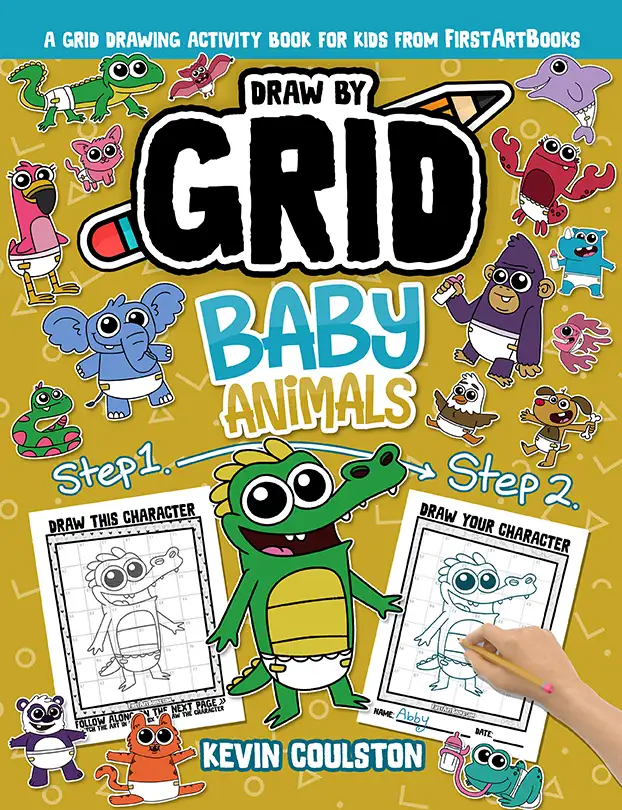
For more subjects with a similar character focus, explore the animal drawing books collection. Check the series name to compare staged drawing, tracing, and grid copying.