Drawing Fundamentals: Drawing Activities for Kids
Choose a small drawing action before choosing a finished picture. Looking, placing a mark, and checking its position are different tasks; a child can practice one without completing a whole character.
A practical starting routine
Set out a pencil and spare paper. Ask your child to point to the next shape in a lesson, draw only that part, and compare its location with the reference. If the page feels crowded, move to larger paper. A comfortable grip and a freely chosen stopping point matter more than matching every line.
Use a tracing outline when starting a picture feels overwhelming; use six illustrated stages when the child wants to construct it; try a grid when finding the position of a line is the interesting challenge.
Choose a guide for your next session
Try the method before choosing a book
Try a six-stage pumpkin drawing sample, follow a pumpkin tracing outline, or copy a witch with a grid. These seasonal samples let you compare the task, even when you plan to buy a different theme.
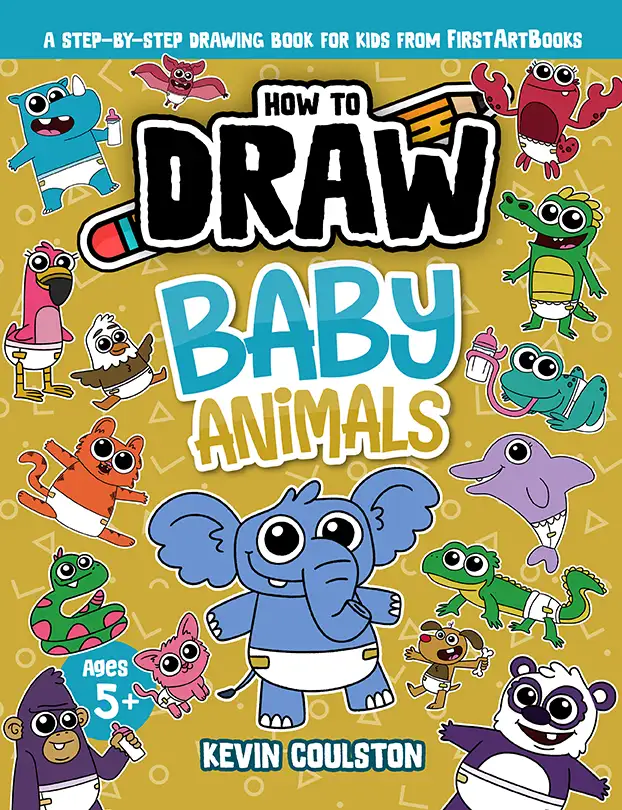
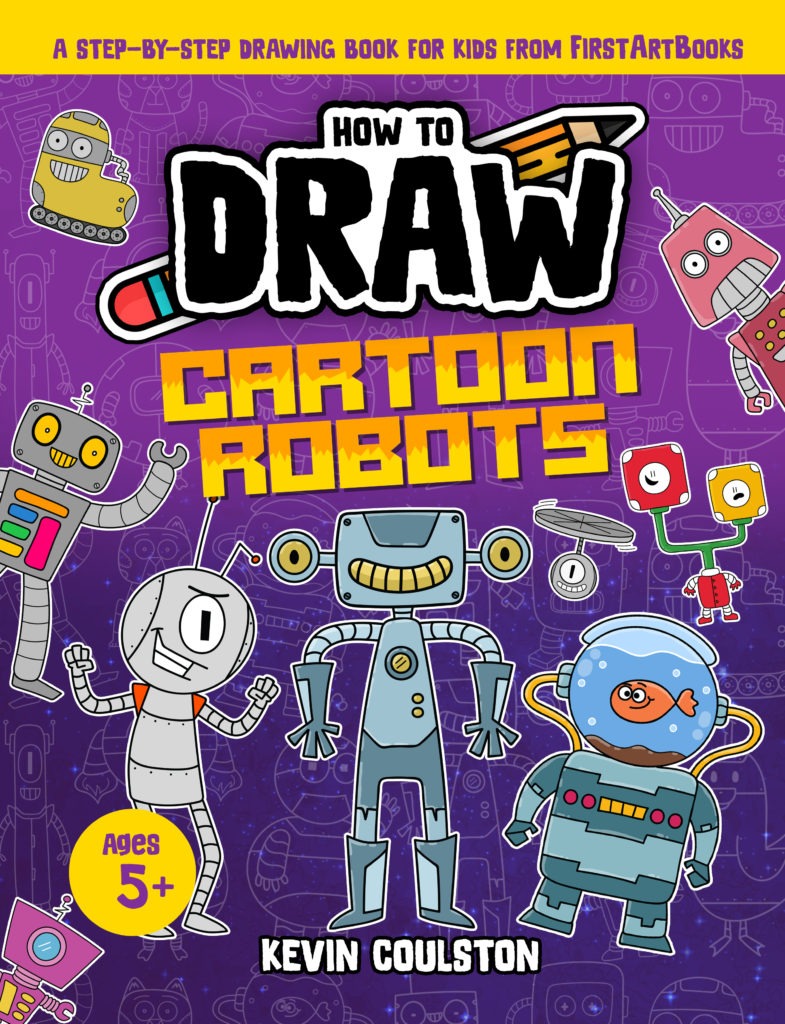
Books to use as starting points
Questions about this drawing approach
Do we need to complete a whole lesson?
No. Choose a comfortable endpoint together. A partial outline or an invented variation can be a useful session.
Which method should we try first?
Follow the child’s interest and comfort with making marks. Compare drawing methods by age and check the individual book’s activity format.
Browse all educational drawing articles or compare the complete drawing book catalog.