Parent activity guide
Pencil Control Activities Through Step-by-Step Drawing
Best Drawing Books · Published October 8, 2026 · 2 min read
Pencil control activities for kids do not need to look like a worksheet of identical lines. A robot drawing provides a reason to practice starting, stopping, and changing direction. When the marks become a character, children can see what they are trying to do. Step-by-step instructions help keep the next pencil movement manageable.
Separate pressure from accuracy
A child can place a line in roughly the right spot while pressing so hard that it is difficult to adjust. On scrap paper, invite them to make a light line and a darker line with the same pencil. Talk about the difference without naming one as the only correct choice. Lighter initial marks may make changes easier, while firmer marks can be useful when the child wants to finish an outline.
Practice stopping where the line ends
Choose one part of a cartoon and look at its beginning and ending points. Have your child indicate those places before drawing. A pause at the end gives them time to decide whether the next mark connects or begins somewhere else. If they rush through the page, reduce the task to that one part rather than asking them to slow down an entire drawing at once.
Use size to make the task adjustable
Drawing very small can require more precise movement than a beginner wants to manage. Give the child room to make their character bigger, or practice a single detail separately. Avoid making them erase every uneven edge. Compare two attempts by discussing the movement they tried: a steadier stop, a lighter mark, or a curve they felt comfortable making.
Give the practice a robot theme
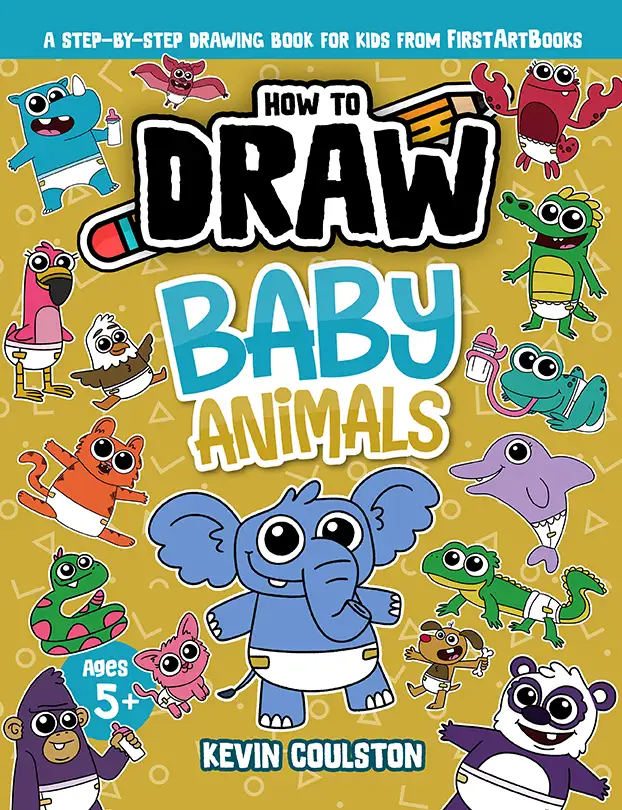
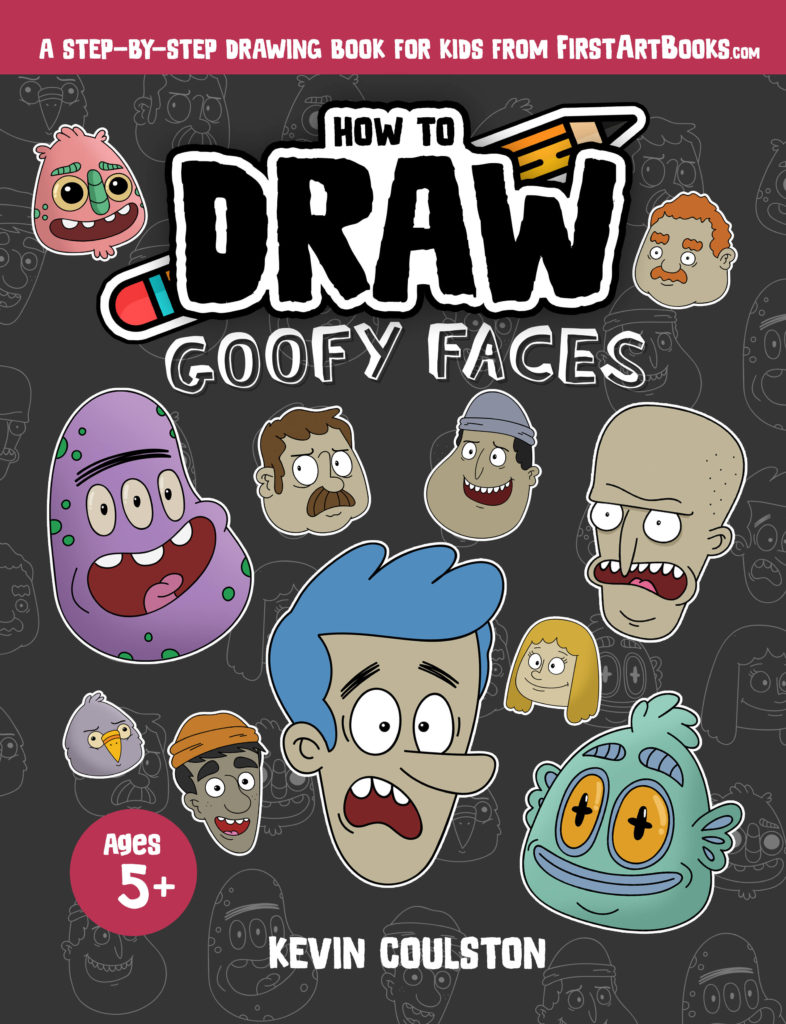
How to Draw: Cartoon Robots turns controlled pencil marks into original mechanical characters. The book uses six illustrated steps per character and provides a drawing page for practice, with ages 5+ guidance. It is a relevant choice for a child who would rather draw a robot than fill a row of practice shapes. After the lesson, they can invent a control panel or charging station on separate paper.
Must every line be drawn in one stroke?
No. Children can lift the pencil and use several shorter marks. The aim is to explore control comfortably, not to follow a rule about how many strokes a drawing should take.
Want to explore the drawing method before choosing a book? Browse free drawing activities or compare the step-by-step drawing collection.
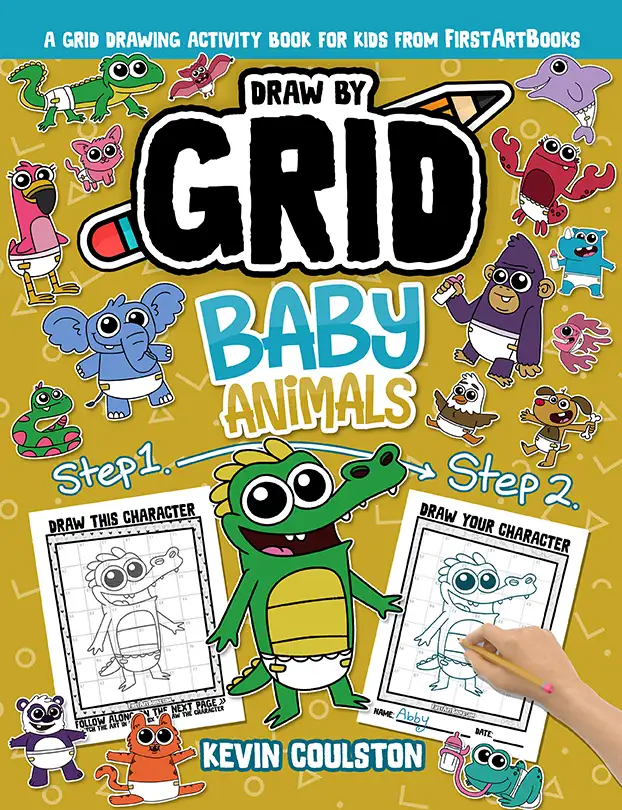
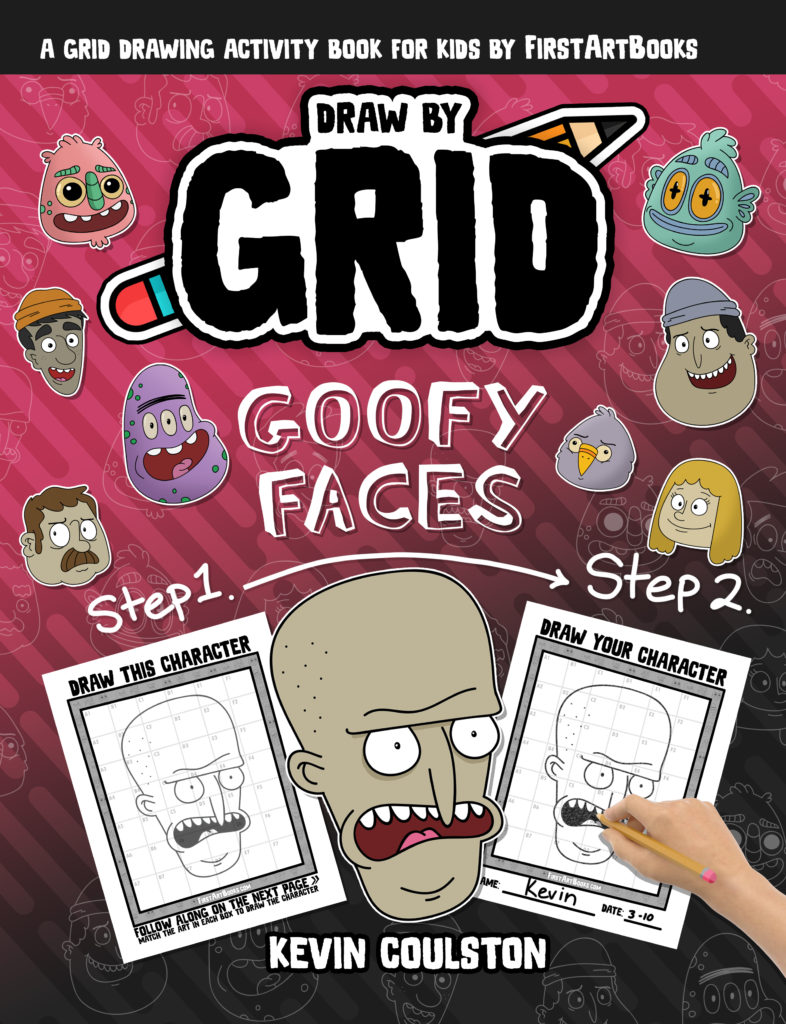
For more subjects with a similar character focus, explore the robot drawing books collection. Check the series name to compare staged drawing, tracing, and grid copying.