How Drawing Gets Kids Ready to Read
Drawing gets young children ready to read by building letter shapes, left-to-right habits and storytelling. Try these playful pre-reading drawing ideas.
Drawing gets kids ready to read because it teaches them that marks on paper carry meaning. Children who draw practise the same shapes that make letters, learn to look closely at small differences, and begin to tell stories in pictures before they can tell them in words.
Before a child can read the word "cat", they have to understand that a squiggle on a page can stand for something real. Drawing is usually how they first learn it.
The link between pictures and print
Young children's drawings move through stages. First come scribbles, then shapes, then pictures with a name: "This is Mommy." That moment, when a child decides their marks mean something, is the same idea behind reading and writing. A drawing is a message. So is a word.
Many kindergarten teachers ask children to draw first and write later because the picture gives them something to say. A child who has drawn their dog at the park can then "write" about it, even if the writing is only a few letters.
Drawing practises letter shapes
Letters are made from lines, circles and curves, the same marks kids use in drawings. A child who can draw a circle, a straight line and a hook can make most of the alphabet. Drawing gives them hundreds of chances to practise those shapes without the pressure of getting a letter right.
Drawing also trains the eye to notice small differences. Telling a b from a d, or an m from an n, is a visual skill. Kids who look carefully at the details in a picture are building that skill.
Turn letters into characters
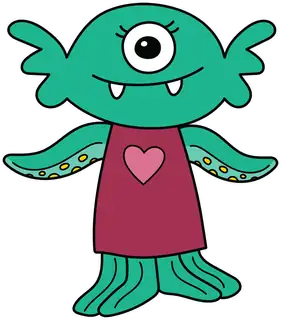
One of the most fun ways to connect drawing with reading is to make the letters themselves into characters. How to Draw: Alphabet Monsters gives every letter its own monster, built step by step. As kids draw the monster for B, they say the letter, hear its sound and see its shape inside a silly creature they made themselves. Letters that come with a funny face are much easier to remember.
Pre-reading drawing activities
- Draw and label. Draw a picture and help your child write the first letter of each thing.
- Story in three boxes. Fold paper into three. Draw a beginning, middle and end. Then "read" it together from left to right.
- Sound hunt drawings. Pick a sound, like "s", and draw as many things that start with it as you can: snake, sun, sock.
- Draw the bedtime story. After reading, ask for a picture of a favorite part.
Left to right, top to bottom
Reading in English moves left to right and top to bottom. Comic strips and picture sequences follow the same path, so kids who draw stories in boxes practise the direction of reading naturally. Grid drawing, which works across rows of squares, gives the eyes the same kind of tracking practice. You can read more about that in how grid drawing trains eye tracking.
Keep reading and drawing side by side
You do not need to choose between a reading book and a drawing book. Use them together. Read a story, draw the main character, then make up a new adventure for them. Every step builds the idea that pictures and words both tell stories.
Questions parents ask
Does drawing help children learn to read?
Drawing supports reading readiness by building letter-shape skills, visual attention to detail and the understanding that marks carry meaning. It works best alongside reading together.
What age should kids start drawing letters?
Most children start making letter-like shapes between 3 and 5. Let it happen through play and drawing rather than drills.
What is a good drawing book for learning the alphabet?
A book that turns each letter into a character, like How to Draw: Alphabet Monsters, connects letter shapes with sounds in a fun, memorable way.
More in brain and learning, or browse all 217 posts on the blog.
Keep reading
- Drawing Builds Vocabulary: Talk Through Every PictureDrawing gives kids something to talk about, and talking builds vocabulary. Learn how to turn every drawing into a rich conversation with your child.
- Drawing and Executive Function: Planning on PaperExecutive function means planning, focus and self-control. See how drawing a detailed character trains kids to plan ahead and finish what they start.
- Spot the Pattern: How Drawing Trains Kids' EyesKids who draw learn to spot patterns in shapes, colors and repeats. Here's how pattern recognition through drawing supports math, reading and logic.
- Two Hands at Work: Drawing and Bilateral CoordinationBilateral coordination means using both hands together, one leading and one helping. See how drawing, especially grid drawing, quietly trains it.