Confidence and Learning: Drawing Activities for Kids
A useful drawing goal is something a child can recognize: finishing an outline, trying a different expression, or deciding where to start. Confidence is personal; finishing a particular book does not guarantee it.
A practical starting routine
Before opening the book, agree on one manageable goal. Offer a choice between two characters. When a line changes the plan, ask whether to keep it, redraw it, or build a new idea around it. Comment on a specific choice the child made instead of judging how closely the result matches the example.
Keep previous attempts if the child wants to. Comparing two drawings can start a conversation about choices and progress, but should never become a score. An unfinished character is a reasonable place to stop and return later.
Choose a guide for your next session
Try the method before choosing a book
Try a six-stage pumpkin drawing sample, follow a pumpkin tracing outline, or copy a witch with a grid. These seasonal samples let you compare the task, even when you plan to buy a different theme.
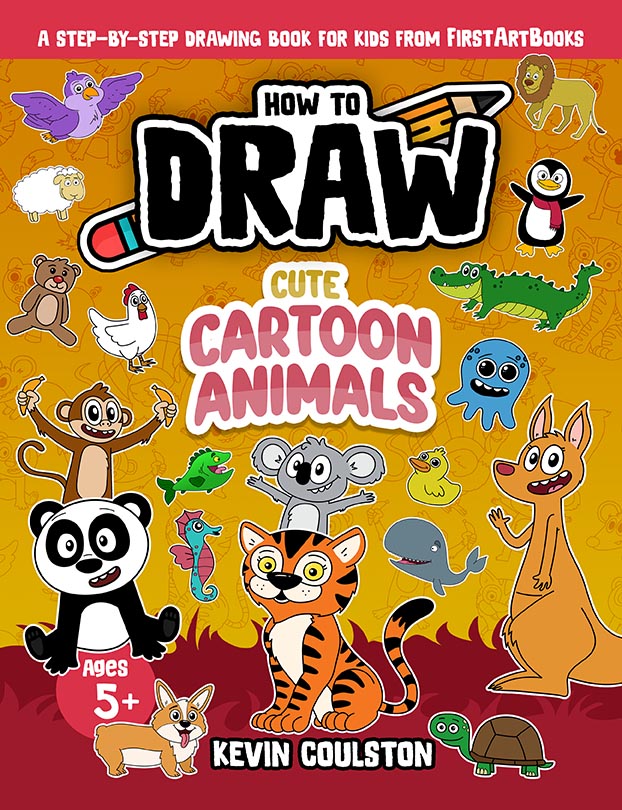
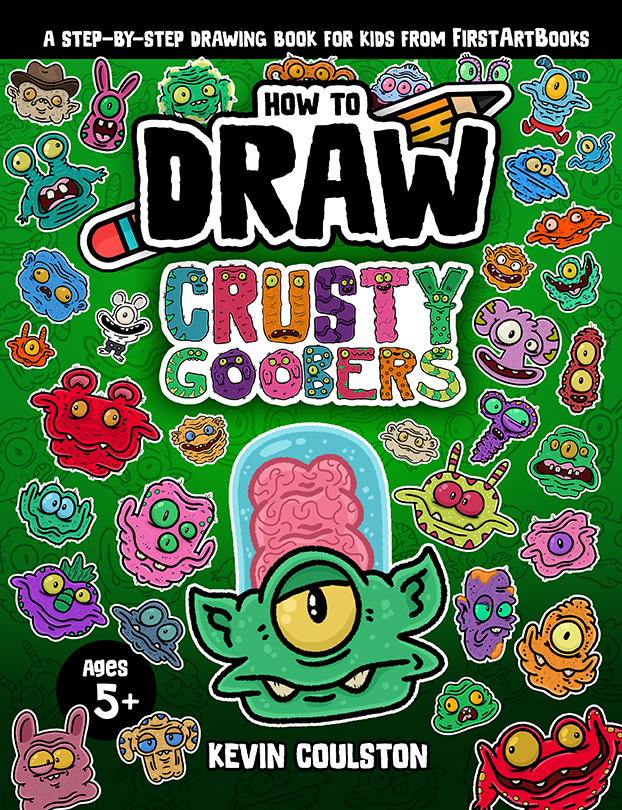
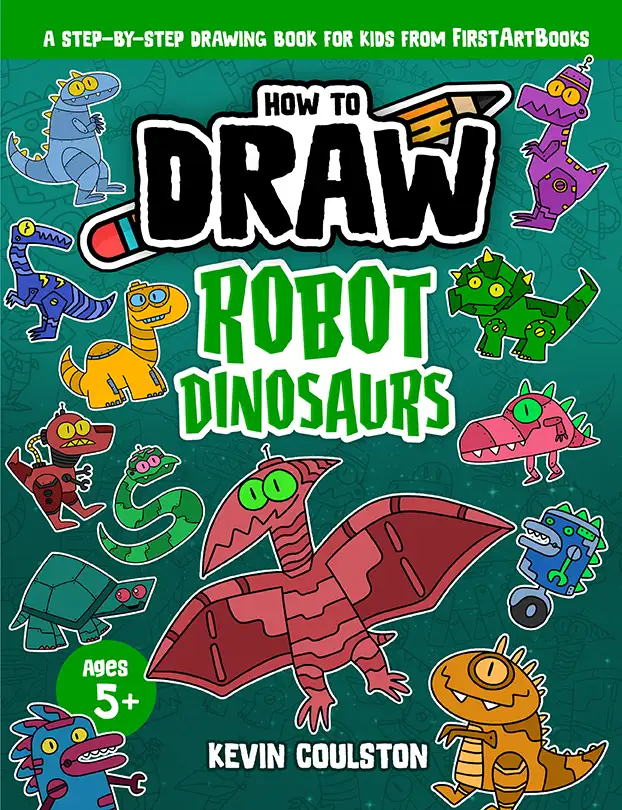
Books to use as starting points
Questions about this drawing approach
Do we need to complete a whole lesson?
No. Choose a comfortable endpoint together. A partial outline or an invented variation can be a useful session.
Which method should we try first?
Follow the child’s interest and comfort with making marks. Compare drawing methods by age and check the individual book’s activity format.
Browse all educational drawing articles or compare the complete drawing book catalog.