Parent activity guide
Helping Kids Use Drawing Books Independently
Best Drawing Books · Published October 8, 2026 · 2 min read
Independent learning with a drawing book does not have to mean leaving a child alone with instructions they cannot yet use. Independence can develop through small changes in adult support: finding the next stage, checking the example, or choosing when to ask a question. A predictable drawing routine gives children something concrete to practice doing for themselves.
Demonstrate how to use the page
For the first lesson, point out the sequence and the practice area. Look together at what changes between two stages. Then let the child make that change on their own drawing. Explaining how the page works once can be more useful than announcing every line in every future lesson. Keep the book within comfortable viewing distance.
Wait before supplying the answer
When your child pauses, give them time to inspect the example. Ask whether they want help rather than assuming the pause means they cannot continue. If they request a hint, point to the relevant stage or demonstrate on separate paper. Completing their drawing for them may finish the activity faster, but it removes a decision they might be ready to make.
Agree on a simple help routine
Children can mark their current stage and ask a specific question when stuck. You might say that you will help them find the next part, while they decide how to draw it. Adjust this arrangement to their age and comfort. Independence is not measured by how long they avoid asking an adult; knowing when to seek assistance also belongs to using a resource well.
Choose a book that feels inviting to revisit
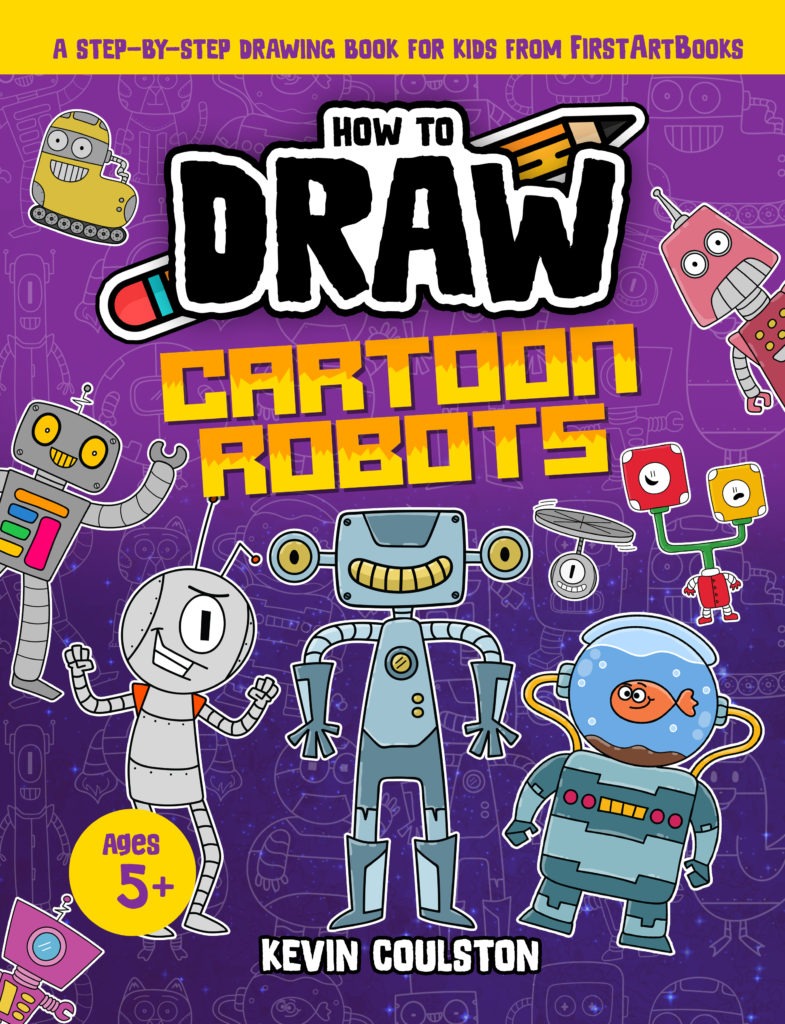
How to Draw: Baby Robots offers cute robot-themed cartoons in six illustrated stages, with a dedicated drawing page and ages 5+ guidance. A child who enjoys those subjects may want to return to another lesson using the same familiar page routine. Start together, then reduce the amount of prompting if they show that they can locate and follow the next stage comfortably.
Should an adult stay nearby?
That depends on the child's needs and setting. Nearby help can be useful even when the child is making the drawing decisions independently. Avoid treating adult presence as proof that the activity is unsuccessful.
Want to explore the drawing method before choosing a book? Browse free drawing activities or compare the step-by-step drawing collection.
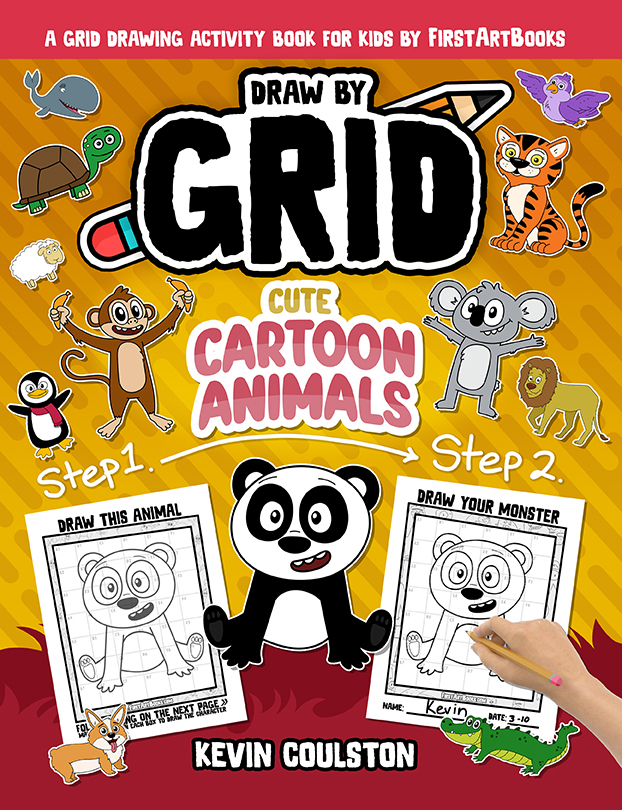
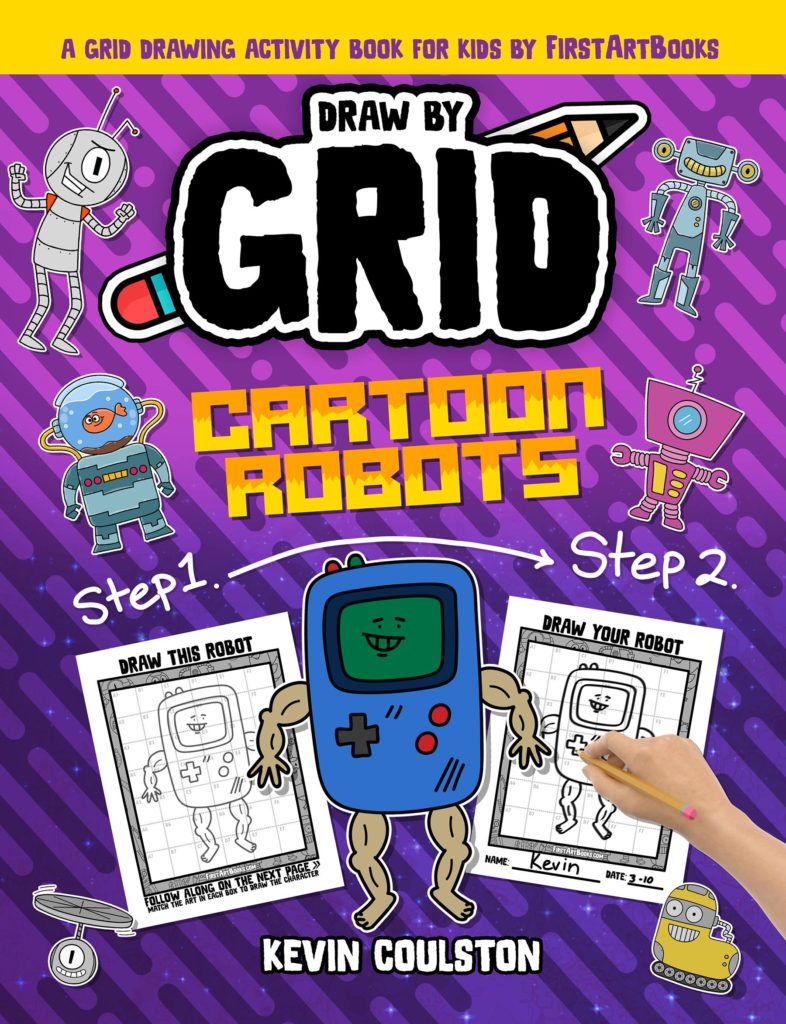
For more subjects with a similar character focus, explore the robot drawing books collection. Check the series name to compare staged drawing, tracing, and grid copying.