What If I Change the Eyes? Drawing and Cause and Effect
Change the eyebrows and the whole face changes. Drawing faces shows kids cause and effect in action. Try these experiments with silly faces.
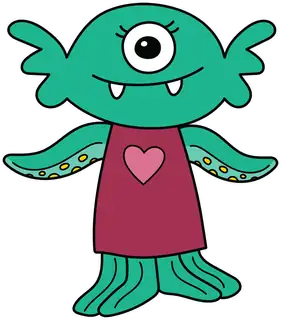
Drawing teaches cause and effect because kids can see exactly what happens when they change one thing. Tilt the eyebrows and a face looks angry. Turn the mouth up and it looks happy. Every small change has a visible result, which helps children understand that actions lead to outcomes.
Cause and effect is one of the first big ideas children learn about the world. Push a ball and it rolls. Drop a cup and it spills. Drawing gives kids a safe, creative place to explore the same idea with endless experiments.
Faces: the perfect experiment
Faces are full of cause and effect. Tiny changes to the eyes, eyebrows and mouth completely change the expression. How to Draw: Silly Faces is all about expressions, with eyes, mouths and hair in endless combinations. After drawing one face, try changing just one feature and see how the feeling changes.
Face experiments to try
- Eyebrow switch. Draw the same face three times with eyebrows slanted down, flat and raised. What feeling does each one show?
- Mouth swap. Keep everything the same except the mouth.
- Big eyes, small eyes. How does eye size change the character?
- Add a nose. What happens with a tiny nose versus a huge one?
- Hair makeover. Spiky, curly or bald: does the personality change?
Ask "what if?"
After each change, ask: "What happened? Why do you think that changed how he looks?" This is the same kind of thinking scientists use. Change one thing, keep everything else the same, and watch the result.
Cause and effect in color and size
Kids can experiment with more than faces. What happens when a monster is colored red instead of blue? What if the tail is huge? What if the eyes are on stalks? Every experiment builds the idea that choices have results.
Understanding feelings too
Experimenting with faces also helps children understand emotions. When they see that a downturned mouth and drooping eyes look sad, they get better at recognizing those signals in real people. You can read more in drawing faces teaches empathy.
Questions parents ask
How does drawing teach cause and effect?
Drawing lets children change one element, such as an eyebrow or a mouth, and immediately see the effect on the whole picture.
What is a simple cause and effect activity for kids?
Drawing the same face several times and changing only one feature each time is a simple, fun way to show how one change affects the result.
Why is cause and effect important for kids?
Understanding cause and effect helps children predict outcomes, solve problems, understand science and see how their actions affect others.
More in brain and learning, or browse all 217 posts on the blog.
Keep reading
- Does Drawing Help Kids Remember What They Learn?Drawing something helps kids remember it better than writing it down. Here's why the drawing effect works and how to use it for homework and play.
- How Drawing Builds Spatial Reasoning in ChildrenSpatial reasoning is a key skill for math and science. Learn how drawing, especially grid drawing, helps kids understand size, position and shape.
- Drawing and Math: The Hidden Link for Young KidsDrawing and math use the same building blocks: shape, size, symmetry and counting. See how drawing time supports early math skills at home.
- Left to Right: How Grid Drawing Trains Eye TrackingReading needs eyes that move smoothly left to right. Learn how grid drawing gives kids playful practice with eye tracking, scanning and keeping their place.