When Kids Are Angry, Hand Them a Pencil
Angry kids need a safe way to let it out. Learn how drawing helps children cool down, understand anger and talk about it afterward, with grumpy faces.
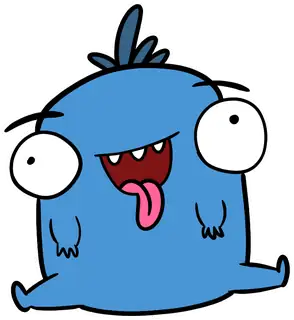
Drawing gives angry kids a safe place to put big feelings. Scribbling hard, drawing the angry feeling as a character, or drawing a grumpy face can help release energy and calm the body, and afterward the drawing makes it easier to talk about what happened.
Anger is a normal feeling. The goal is not to stop kids from feeling it, but to help them handle it without hurting anyone. Drawing is one of the safest outlets there is.
Drawing to cool down
When anger is at its peak, kids are not ready to talk. They need to move and release. Try:
- Scribble storm. Give them a big sheet and let them scribble as hard and fast as they want. Then rip it up if they like.
- Draw the volcano. Draw a volcano erupting, then draw it cooling down.
- Pound and draw. Squeeze play dough first, then draw.
These are not about making nice pictures. They are about getting the feeling out.
Make anger a character
Once the first rush has passed, drawing anger as a character helps kids look at it from the outside. What does your anger look like? Is it a red monster? A spiky ball? A grumpy old man? Giving anger a funny face takes away some of its power.
How to Draw: Grumpy Faces is perfect for this. Its cranky characters are funny rather than scary, so kids can laugh while recognizing the feeling. Drawing a grumpy face often turns into giggles, which is the fastest way out of anger.
Talking about it later
After calming down, the drawing gives you a gentle way in:
- "Tell me about your angry monster."
- "What made him so mad?"
- "What helps him calm down?"
- "What could he do next time?"
Kids can often solve the problem for the monster before they can solve it for themselves.
Build an anger toolkit
Make a calm-down kit with paper, crayons and a few favorite drawing pages. When anger rises, the kit is ready. Practise using it when your child is calm, so they remember it when they are not.
When to seek help
If anger is frequent, intense or leads to hurting others, talk to your pediatrician or a child counselor. Drawing is a great tool but not a replacement for support. You may also find drawing feelings helpful.
Questions parents ask
How can drawing help an angry child?
Drawing offers a safe physical outlet for the energy of anger, helps a child calm down, and creates something to talk about once they are ready.
Is it OK for kids to scribble when angry?
Yes. Scribbling hard on paper is a safe way to release angry energy. Let them tear it up afterward if they want.
What should I say after my child draws their anger?
Ask open questions like "Tell me about your angry monster" and "What helps him calm down?" Let your child lead.
More in feelings and calm, or browse all 217 posts on the blog.
Keep reading
- The After-School Meltdown and the Drawing TableThe after-school meltdown is real. A quiet drawing break gives kids time to decompress. Here's how to set up a calm after-school drawing routine.
- Drawing Through Grief and Loss With ChildrenChildren often struggle to talk about loss. Gentle drawing activities can help them remember, express sadness and feel connected. Here's how to start.
- Drawing to Help Kids Adjust to a New BabyA new baby is a big change for older kids. Drawing helps them process feelings, feel included and bond with the baby. Ideas for big brothers and sisters.
- Drawing Gives Kids Courage to Try New ThingsKids who learn they can draw something new learn they can try new things. See how drawing builds everyday courage and willingness to take small risks.