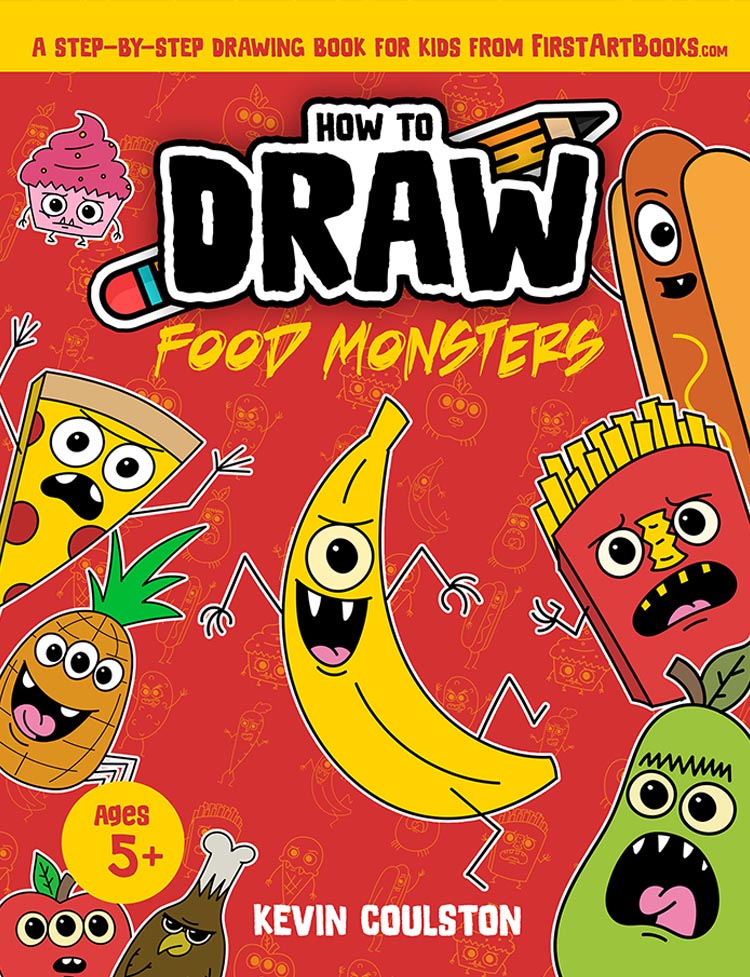
Creativity and Imagination: Drawing Activities for Kids
Drawing instructions can supply a starting structure while a child supplies the story. Separate the copying stage from an invention stage so the example does not become a rule about what every character must look like.
A practical starting routine
After one lesson, change a single feature: a robot tool, a monster expression, or a character’s surroundings. Ask the artist to name the character and decide what it wants. On another sheet, sketch a place for it to visit. Keep these choices open rather than requiring a written story.
Plan an extension with three choices: character, setting, and action. Children can point, speak, or draw their answers. For an artist who wants fewer decisions, offer two settings; for one who wants more freedom, leave the second page blank.
Try the method before choosing a book
Try a six-stage pumpkin drawing sample, follow a pumpkin tracing outline, or copy a witch with a grid. These seasonal samples let you compare the task, even when you plan to buy a different theme.
Books to use as starting points
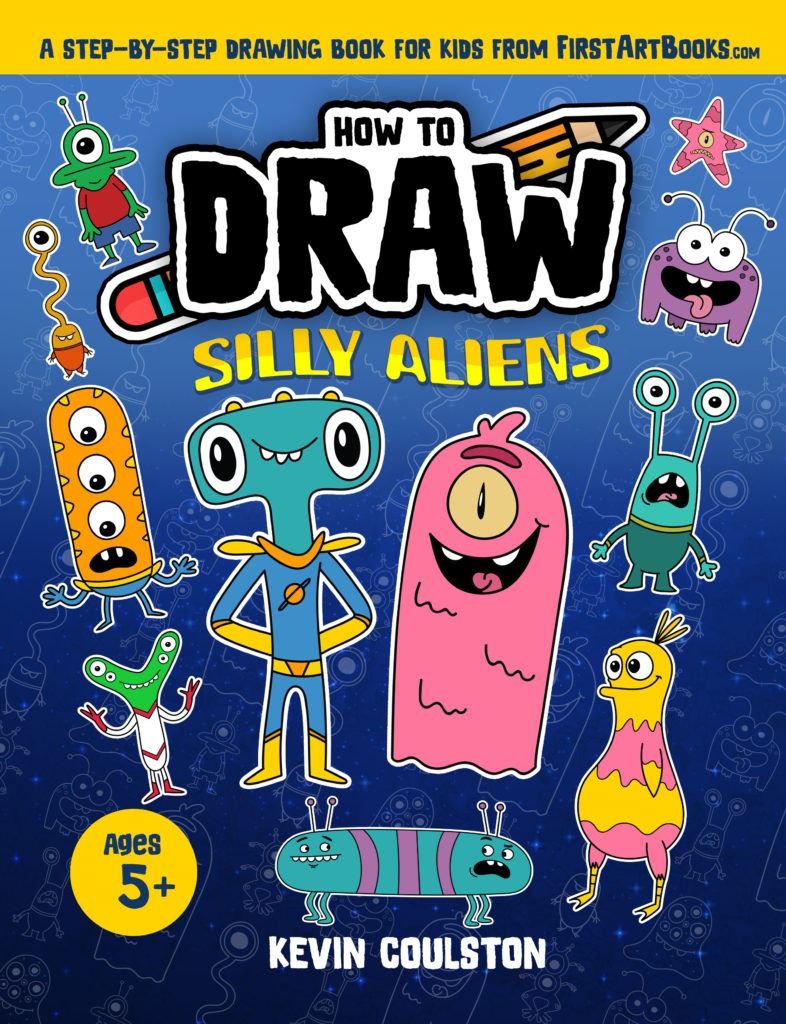
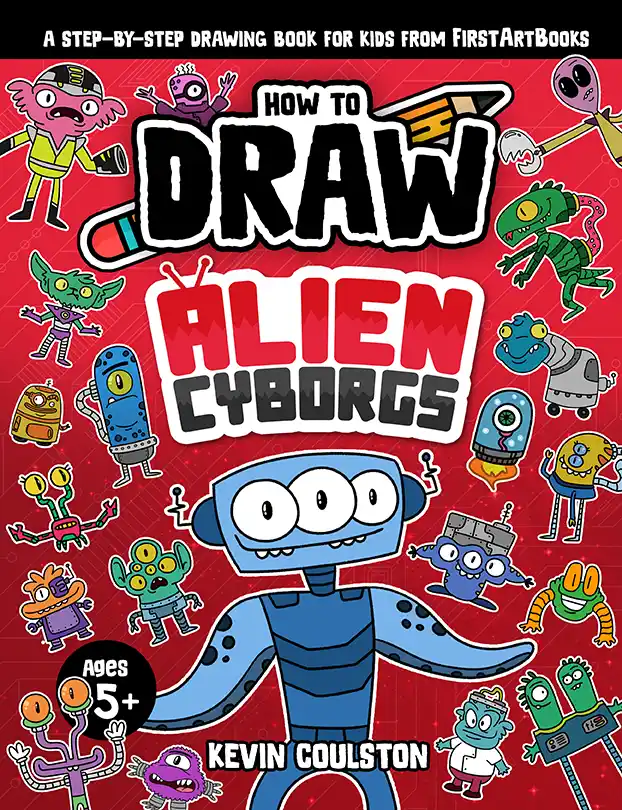
Questions about this drawing approach
Do we need to complete a whole lesson?
No. Choose a comfortable endpoint together. A partial outline or an invented variation can be a useful session.
Which method should we try first?
Follow the child’s interest and comfort with making marks. Compare drawing methods by age and check the individual book’s activity format.
Browse all educational drawing articles or compare the complete drawing book catalog.