Drawing for Sub Plans: A No-Prep Lesson
Need a no-prep sub plan? A drawing lesson is easy for any substitute to run. Here's a ready-made grid drawing sub plan for elementary classrooms.
A drawing lesson makes a great substitute plan because it is easy to explain, keeps students calm and focused, and needs almost no prep. Grid drawing works especially well: students copy a picture square by square, so the sub does not need any art skills.
Teachers need sub plans that are simple, engaging and hard to derail. Drawing fits all three.
Why drawing works for sub days
- Easy to explain. Clear instructions anyone can follow.
- Calm. Students focus quietly.
- Self-paced. Fast and slow workers both stay busy.
- No art skills needed. The sub just hands out pages.
A grid drawing sub plan
1. Hand out a grid drawing page and a blank grid.
2. Explain: "Copy one square at a time."
3. Students work quietly for 30 minutes.
4. Early finishers color their drawing or write about it.
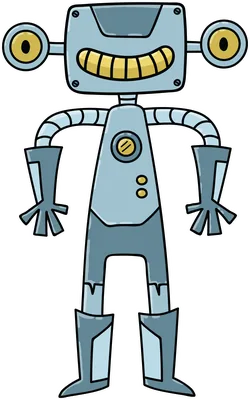
Draw by Grid: Cartoon Robots is ideal for sub plans. Robots are built from simple shapes, so students of all abilities get good results.
Extensions
- Write a story about your robot.
- Design a new robot on the back.
- Label your robot's parts and what they do.
Tips
- Copy pages in advance and leave them in the sub folder.
- Include a sample finished drawing.
- Leave extra pages for fast finishers.
For more, see early finisher drawing activities.
Questions parents ask
What is a good no-prep sub plan?
A grid drawing lesson: students copy a picture square by square, with writing extensions for early finishers.
Why is drawing good for substitute days?
It is easy to explain, calm, self-paced and does not require the sub to have art skills.
What should be in a drawing sub plan?
Copies of grid pages, blank grids, a sample, simple instructions and extension activities.
More in teachers and classrooms, or browse all 217 posts on the blog.
Keep reading
- Sketchnoting for Kids: Drawing to Take NotesSketchnoting mixes doodles and words to take better notes. Learn how kids can use sketchnotes to remember lessons, with easy icons to start.
- Science Journals: Drawing What You ObserveScience journals combine drawing and observation. Learn how kids can keep a science journal at home or school, with labeled sketches and questions.
- Drawing in History Lessons: Picture the PastDrawing brings history to life. Learn how kids can draw historical scenes, timelines and even dinosaurs to understand the past more deeply.
- My Kid Hates Art: Finding Their Way In"I hate art!" Some kids resist drawing. Here's how to find their way in, through interests, humor, challenges and building, without forcing it.