Bold Lines: Drawing Ideas for Kids With Low Vision
Kids with low vision can enjoy drawing with bold lines, high contrast and the right tools. Practical drawing ideas and adaptations for families.
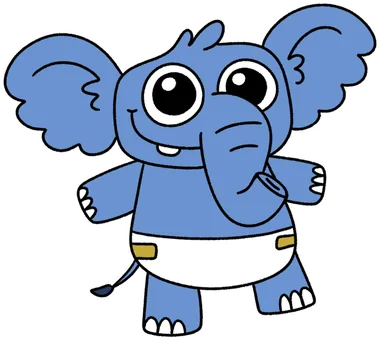
Children with low vision can enjoy drawing with a few adaptations: bold markers, thick lines, high-contrast paper, good lighting and larger drawings. Tracing pictures with clear, bold outlines can also help kids build confidence and control.
Low vision affects children in many different ways, so the best approach depends on your child's specific needs. Your child's eye care team and teacher of the visually impaired can give personalized advice.
Helpful adaptations
- Bold tools. Thick markers and crayons make visible lines.
- High contrast. Black markers on white paper, or bright colors on dark paper.
- Good lighting. A bright, adjustable lamp.
- Larger drawings. Big paper, big shapes.
- Raised lines. Some families use glue lines or wax sticks to create tactile outlines.
- Slanted surface. Brings the page closer.
Tracing with clear outlines
Pictures with clear outlines can help. Trace Then Color: Goofy Faces offers funny faces to trace and color. Going over the outlines with a thick marker can make them bolder and easier to follow.
Activities
- Big shape drawing. Circles, squares and triangles at large size.
- Tactile art. Drawing on textured surfaces.
- Color fills. Bright colors in large areas.
- Collaborative drawing. Talk through drawings together.
Focus on joy
Drawing is about expression and fun. Celebrate effort and creativity.
Professional advice
Your child's eye care team and teacher of the visually impaired can recommend specific tools and strategies. See also sensory-friendly drawing.
Questions parents ask
Can children with low vision draw?
Yes. With bold tools, high contrast, good lighting and larger drawings, many children with low vision enjoy drawing.
What drawing tools help kids with low vision?
Thick markers, bold crayons, high-contrast paper, bright lighting and slanted surfaces.
How can I make drawing outlines easier to see?
Go over outlines with a thick dark marker or create raised lines with glue for a tactile guide.
More in every kind of learner, or browse all 217 posts on the blog.
Keep reading
- Drawing for Quiet and Selectively Mute KidsFor quiet and selectively mute children, drawing offers a way to share without speaking. Gentle, pressure-free drawing ideas for parents and teachers.
- Twice-Exceptional Kids and the Power of DrawingTwice-exceptional (2e) kids are gifted and have a learning difference. Drawing can be where their strengths shine. Tips for supporting 2e kids.
- Drawing for Kids With ADHD: What Parents NoticeMany parents of kids with ADHD notice drawing helps them focus and calm down. Here's why structured drawing works and tips to make it successful.
- Drawing Milestones Are Not a RaceDrawing milestones are guides, not deadlines. Every child develops at their own pace. Here's how to support progress without pressure or comparison.